
Understanding Lip Tie in Babies
Parenting a newborn comes with endless questions, and one that has gained attention in recent years is the condition known as lip tie. A lip tie baby may struggle with breastfeeding, bottle feeding, or even speech development later in life. But what exactly is lip tie, and why does it matter?
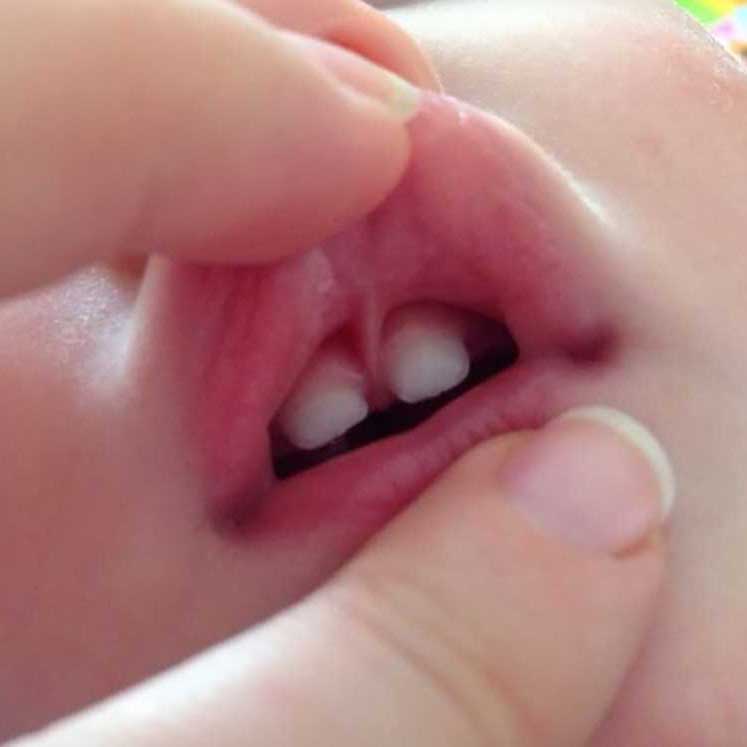
A lip tie occurs when the piece of tissue (frenulum) connecting a baby’s upper lip to the gum is too thick, short, or stiff. This restricts the lip’s natural movement, making it harder for babies to latch, feed, or develop normally.
What Is a Lip Tie?
In simple terms, a lip tie is a restriction of the upper lip’s mobility caused by the frenulum. While many babies have visible frenulums, it only becomes a problem when it interferes with essential functions like feeding or oral development.
Lip ties are classified into four categories based on severity. Some are mild and go unnoticed, while others are severe enough to require medical attention.
Signs and Symptoms of Lip Tie in Infants
Identifying a lip tie in your baby early can make a huge difference. Some common symptoms include:
-
Difficulty latching during breastfeeding
-
Clicking noises while feeding
-
Poor weight gain
-
Long feeding sessions without satisfaction
-
Milk leaking from the mouth
-
Gas or colic due to swallowing excess air
Mothers may also notice painful breastfeeding, sore nipples, or mastitis, which can be linked to the baby’s shallow latch.
Causes and Risk Factors
The exact causes of lip tie are not fully understood, but genetics may play a role. Babies with family histories of oral restrictions (including tongue ties) are more likely to be affected. Environmental factors during pregnancy might also contribute.
How to Recognize a Lip Tie in Your Baby
One way to check at home is gently lifting your baby’s upper lip. If the frenulum is unusually tight, thick, or attached close to the gum ridge, it may be a lip tie. However, a proper diagnosis should always come from a pediatric dentist or lactation consultant.
Lip Tie vs Tongue Tie: What’s the Difference?
Many parents confuse lip ties with tongue ties. While both involve restricted oral tissue, they affect different parts:
-
Lip tie: Restricts movement of the upper lip.
-
Tongue tie: Restricts movement of the tongue (lingual frenulum).
Some babies may have both conditions simultaneously, making feeding even more challenging.
Diagnosis and Assessment of Lip Tie
How Is Lip Tie Diagnosed?
Diagnosis usually involves a visual examination by a pediatric dentist, pediatrician, or lactation consultant.
Consulting with Experts
Healthcare providers may recommend working with both a pediatric dentist and a lactation consultant for a comprehensive assessment.
Tools and Techniques for Evaluation
Some professionals use classification systems (such as Kotlow’s scale) to determine severity.
Importance of Early Diagnosis
The sooner lip tie is identified, the easier it is to manage feeding difficulties and prevent long-term complications such as speech or dental problems.
Treatment Options for Lip Tie in Babies
Non-Surgical Management
Mild cases may improve with positioning techniques, latch coaching, or feeding adjustments guided by a lactation consultant.
Surgical Procedures
Severe cases may require a frenectomy (laser or scissors release of the frenulum) or frenuloplasty (more complex surgical correction).
What to Expect During a Lip Tie Frenectomy
The procedure is quick, often completed in minutes, and babies typically breastfeed immediately afterward for comfort.
Recovery Tips After Lip Tie Surgery
-
Gentle stretches to prevent reattachment
-
Following aftercare from your provider
-
Monitoring for bleeding or infection
Potential Risks
While generally safe, risks include minor bleeding, discomfort, or reattachment if proper aftercare isn’t followed.
Alternative Therapies
Some parents explore craniosacral therapy, chiropractic adjustments, or oral motor therapy, though evidence is limited.
Impact of Lip Tie on Baby’s Health
Feeding Challenges and Solutions
The most immediate effect is breastfeeding or bottle-feeding difficulties. Babies may struggle to get enough milk, leading to slow weight gain.
Speech Development and Lip Tie
Untreated lip ties may contribute to delayed or unclear speech in some children, though this varies.
Dental Health
Lip ties can cause gaps between the front teeth or increase the risk of cavities due to difficulty cleaning the area properly.
Long-Term Effects of Untreated Lip Tie
Without treatment, children may face feeding struggles, dental issues, and potential speech difficulties.
Real Mom Stories: Overcoming Lip Tie Challenges
Many parents share their journeys online, helping others recognize and address lip ties earlier. For example, some mothers report that a simple frenectomy completely transformed their breastfeeding experience, reducing pain and improving bonding.
You can find supportive communities and resources on parenting blogs like To Hatch which provide guidance for new parents navigating feeding challenges and newborn care.
When to Seek Professional Help
If your baby is struggling with feeding, gaining weight slowly, or showing signs of frustration while nursing, it’s time to talk to your pediatrician or dentist. For medically reviewed insights, the American Academy of Pediatrics offers detailed information on lip ties and feeding difficulties.
Final Thoughts
A lip tie baby may face challenges, but with early recognition and the right treatment, these hurdles can often be overcome. Whether through non-surgical management or a quick frenectomy, addressing lip tie can dramatically improve feeding, growth, and long-term development.
Understanding the signs, seeking proper diagnosis, and exploring treatment options will help parents ensure their little one gets the best possible start in life.
