
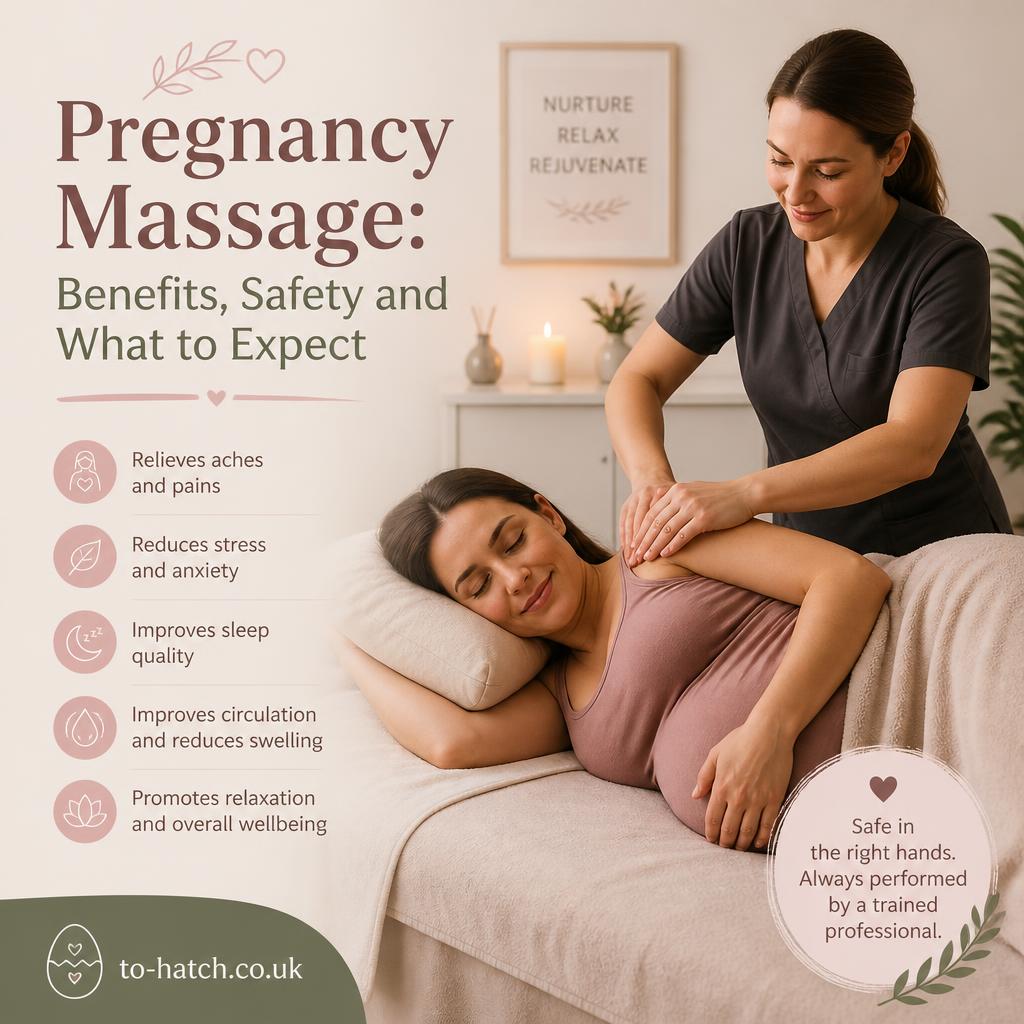
Pregnancy massage is one of the more underrated ways to ease the aches that come with a growing bump — from lower back pain to swollen ankles. Done safely, it can genuinely help, but pregnancy massage does come with a few rules that regular massage doesn’t.
What Is Pregnancy Massage?
Pregnancy massage, sometimes called prenatal massage, is a massage technique adapted specifically for the physical changes of pregnancy — different positioning, lighter pressure in certain areas, and avoidance of specific pressure points that are generally advised against during pregnancy. It’s typically performed by a therapist trained in prenatal massage rather than a standard massage therapist, since body positioning and technique need to change as the bump grows.
Benefits of Pregnancy Massage
- Eases lower back and hip pain, which becomes more common as posture shifts to accommodate the growing uterus.
- Reduces swelling (oedema) in the legs and ankles by encouraging fluid movement through the lymphatic system.
- Improves sleep quality by easing muscle tension that often disrupts rest in later pregnancy.
- Lowers stress hormones and can ease pregnancy-related anxiety, similar to the effects of massage outside of pregnancy.
- Relieves sciatica-type nerve pain, common when the growing uterus puts pressure on the sciatic nerve.
Is Pregnancy Massage Safe?
Generally yes, when performed by a qualified prenatal massage therapist, but it’s worth telling the therapist you’re pregnant and how many weeks along you are before the session starts. Many therapists avoid deep tissue work on the abdomen and steer clear of certain pressure points on the ankles and wrists, which are traditionally associated with stimulating contractions, though there’s limited strong evidence either way. As a precaution, most therapists will avoid these areas regardless.
When to Avoid or Delay Pregnancy Massage
- During the first trimester, some therapists prefer to wait until after 12–14 weeks, when miscarriage risk has decreased, though this varies by practitioner.
- If you have a high-risk pregnancy, placenta previa, or a history of preterm labour, check with your midwife or doctor before booking.
- If you have severe swelling, high blood pressure, or symptoms of pre-eclampsia, massage should be avoided until a doctor has reviewed your symptoms.
Positioning During Pregnancy Massage
From the second trimester onward, lying flat on your back or stomach isn’t recommended, since it can restrict blood flow through the major blood vessels. Most prenatal massage tables have a cutout for the bump, or use side-lying positions with supportive pillows or bolsters to keep you comfortable and safe throughout the session.
Self-Massage and Partner Techniques at Home
You don’t need a professional every time — a partner can apply gentle pressure to the lower back using a tennis ball or their palms while you sit forward on a birthing ball, and simple foot and calf massage can help with swelling after a long day. Using a pregnancy-safe oil or lotion can make this more comfortable, though always check ingredients if you have sensitive skin.
FAQs
Can I get a massage in the first trimester?
Many therapists will still massage you, but some prefer to wait until after the first trimester as a precaution. It’s worth checking with the specific therapist or spa beforehand.
Is it safe to massage the feet during pregnancy?
Yes, foot massage is generally safe, though many prenatal therapists avoid firm pressure on specific reflexology points near the ankle as a precaution.
How often can you have a pregnancy massage?
There’s no strict limit — many people have one every few weeks for ongoing relief, though it’s worth discussing frequency with your therapist based on how you’re feeling.
